A sharp twinge down the leg, or a lower back that won’t quite loosen up in the morning, is one of the most common complaints past 50, and one of the most misunderstood.
Opening Summary
Sciatica, pain radiating from the lower back down the leg along the sciatic nerve, and general lower back pain are both extremely common with age, usually caused by disc changes, joint wear or muscle imbalance rather than anything urgent. The reassuring evidence is that the large majority of cases improve within weeks with movement and simple self-care, rather than requiring surgery. A smaller set of symptoms do need prompt medical attention, and it’s worth knowing the difference.
The Story
Most back pain isn’t from a serious structural problem. Discs, joints and muscles naturally change with age, and imaging often shows “wear and tear” even in people with no pain at all, so a scan finding isn’t automatically the explanation for your symptoms.
Movement usually helps more than rest. Extended bed rest is linked with slower recovery, not faster. Gentle movement, walking, and staying as active as pain allows generally speeds healing.
Sciatica specifically follows a nerve pathway. Pain, tingling or numbness running from the lower back through the buttock and down the leg points to nerve involvement, usually from a disc pressing on a nerve root, and it often settles with the same conservative approach as general back pain.
Core and hip strength genuinely reduce recurrence. Weak supporting muscles around the spine and hips are linked with more frequent flare-ups, targeted, gentle strengthening lowers that risk over time.
Posture and prolonged sitting play a bigger role than most people expect. Long periods sitting, especially with poor support, measurably increase disc pressure compared with standing or walking.
Mrs Cure Confidence Score
Evidence strength — Strong
Practical value — High
Ease of following — Easy to moderate
Cost — Free to £, mostly self-care
Suitability for over 50s — Strong
Mrs Cure’s Wise Take
Back pain has a way of making people either panic or give up on movement entirely. Neither reaction usually helps, gentle and steady almost always beats both extremes.
What You Can Do Today
- Keep moving gently rather than resting completely, short walks count.
- Break up long sitting periods every 30 to 45 minutes.
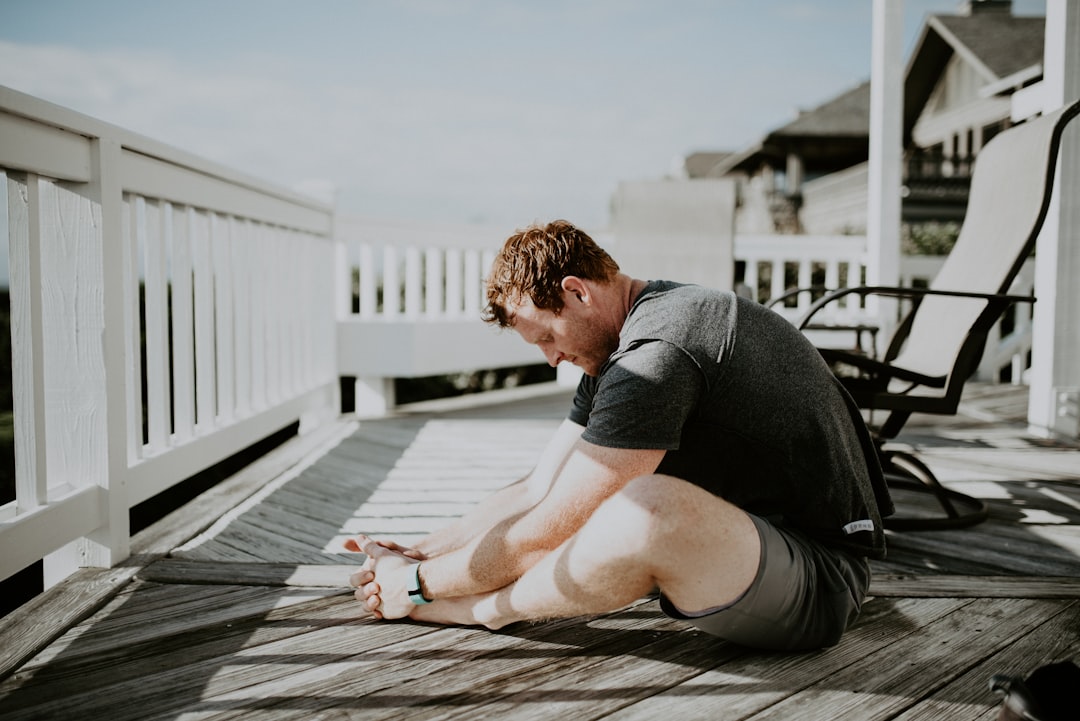
- Try gentle stretching aimed at the hips and lower back specifically.
- Apply heat for muscle tightness, or ice for a more recent, sharp flare-up.
Effort vs Benefit
Low effort, high benefit: staying gently mobile and breaking up sitting time.
Moderate effort, high benefit: a targeted core and hip strengthening routine.
Requires real commitment: sustained posture and movement habit changes to reduce recurrence long-term.
Things to Keep in Mind
Loss of bladder or bowel control, numbness in the groin or inner thighs, or progressive leg weakness are signs of a rare but serious condition and need emergency medical attention immediately. Pain following a fall or accident, or pain with unexplained weight loss or fever, also warrants a prompt doctor’s visit rather than home care.

Key Takeaway
Most back pain and sciatica improve with gentle movement and time, not surgery or prolonged rest. Knowing the small set of warning signs means you can relax about the rest of it.
Mrs Cure Wisdom
A stiff back rarely means a broken one. Most of the time, it just wants you to keep moving, gently, rather than stop.
This content is educational and not a substitute for personalised medical advice, diagnosis or treatment.