Introduction
If you’re 50+ and want an easy way to live a richer life, volunteering may be your key to improved health. More than an act of charity, donating your time has strong physical and mental health rewards—without the drudgery of “working out.” We’re all about total wellness at Mrs Cure, and today we’re telling you why volunteering needs to be part of your wellness arsenal.
- Light Exercise with Tremendous Dividends
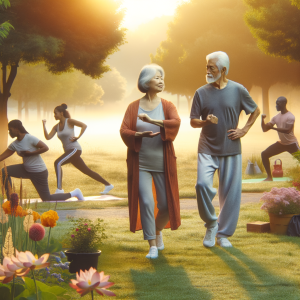
It ties in nicely with the benefits of spending time with healthy, active people. Volunteering usually involves light exercise—like sorting donations, walking to a community event, or helping with activities that involve coordination. These kinds of everyday activities can improve muscle tone, balance, and range of motion and are wonderful for staying in shape as you age. PeaceHealth notes that older adults who volunteer have improved coordination and less risk of dementia by engaging both body and mind.
PeaceHealth
- Mood Enhancement from “Feel-Good” Hormones
The joy you feel in helping others is not just emotional—your brain releases dopamine and oxytocin, chemicals that give you a feeling of well-being and reduce stress hormones like cortisol. It’s not just rumor; it’s science-backed. Those neurochemicals are accountable for fewer occurrences of depression and overall emotional well-being.
Wikipedia
- Heart Health and Longevity
Did you know that volunteering will benefit your heart and longevity? Studies show that people over 50 who volunteer are less likely to develop high blood pressure and live longer than those who do not.
In fact, a particular study found that even a few hours a week can significantly reduce hypertension in the long run.
The Guardian
- Naturally Derived Cognitive Acuity
Rather than doing dull exercises, volunteering puts your mind to work in helpful tasks—like planning, organising, or helping others. One study in Psychology & Aging found that volunteers over the age of 50 have lower blood pressure and more cognitive flexibility than non-volunteers.
Mayo Clinic Health System
- Purpose, Connection & Emotional Well-being
Volunteering also keeps you engaged and makes you feel valued. Research has shown that volunteers have better self-esteem, life satisfaction, reduced stress, and a higher sense of purpose—especially among older adults.
Community Memorial Healthcare
- When Intentions Matter: Altruism Instead of Self-Service
Curiously, the health benefit of volunteering is strongest when your motivations are truly selfless. In one study published in Health Psychology, only volunteers with altruistic motivations had a significant longevity advantage—those whose motivations were more self-serving did not. So give with purpose, and the benefits follow.
The Guardian
Wrap-Up: Why Volunteering Is a Well-Rounded Wellness Practice
Volunteering at 50+ provides more than a rewarding hobby—it’s a potent wellness habit. It gets your body active, your brain stimulated, your heart healthy, and your soul nourished. Without ever feeling like work.
| Benefit | Why It Matters After 50. |
|---|---|
| Physical engagement | Boosts muscle strength, balance, mobility. |
| Mood and stress regulation | Hormones like dopamine and oxytocin promote calm. |
| Heart health & lifespan | Linked with lower blood pressure and longevity. |
| Cognitive stimulation | Keeps mind sharp through meaningful tasks. |
| Emotional well-being & purpose | Enhances confidence, satisfaction, social bonds. |
| Altruistic motivation | Delivers the most significant health benefits. |
That’s all for this time everyone, speak soon, and take care of yourself, X.
Mrs Cure.