If your knees complain on the stairs, or your fingers feel stiff before that first cup of tea, you’re not alone, and you’re not broken. Joints change with age, but how much they hold you back is more in your hands than you might think.
Opening Summary
Joint aches after 50 are usually a mix of thinning cartilage, weaker surrounding muscle, and low-grade inflammation, not a fixed decline you’re powerless over. Movement, targeted strength work, and a few diet and weight factors have the strongest evidence behind them for keeping joints comfortable.
The Story
Osteoarthritis, the most common cause of joint aches after 50, involves cartilage gradually thinning at the joint surface. But the bigger everyday enemy is often disuse: a joint you protect by resting it ends up surrounded by weaker muscle, which makes it feel worse, not better. The habits below aim at that whole picture, not just the ache itself.
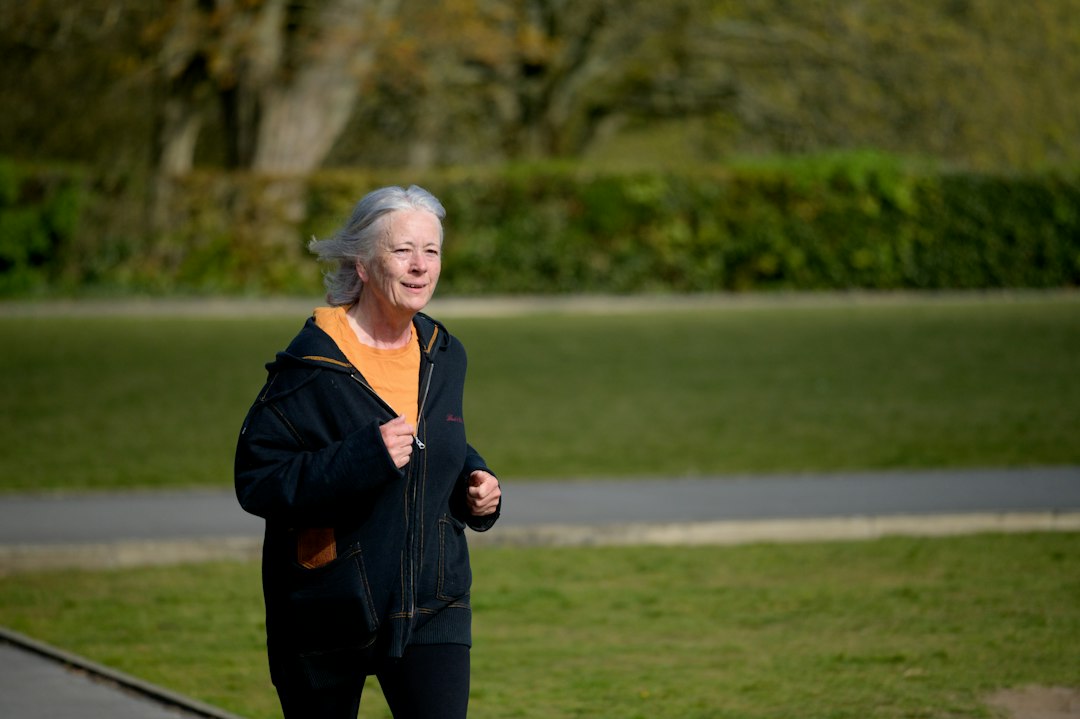
Keep moving, even when it aches a little. Counter to instinct, gentle regular movement, walking, swimming, cycling, tends to ease joint pain more than rest does, by keeping supporting muscles strong and joint fluid circulating.
Build strength around the joint. Stronger quads and glutes take real load off aching knees and hips. Two sessions of low-impact resistance work a week, through a comfortable range of motion, is one of the best-evidenced habits for protecting joints long-term. That same leg strength also plays a big part in steadiness, worth pairing with our tips on staying balanced and steady after 50.
Watch your weight, gently. Every extra pound of body weight puts several pounds of extra pressure through the knees with each step. Modest weight loss, even 5-10%, has been shown to meaningfully ease knee pain in people carrying excess weight.
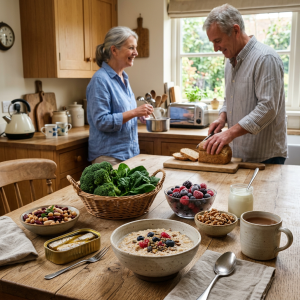
Lean toward an anti-inflammatory way of eating. A Mediterranean-style pattern, oily fish, olive oil, vegetables, nuts, is linked with lower inflammation markers. It’s not a quick fix, but it stacks up over months.
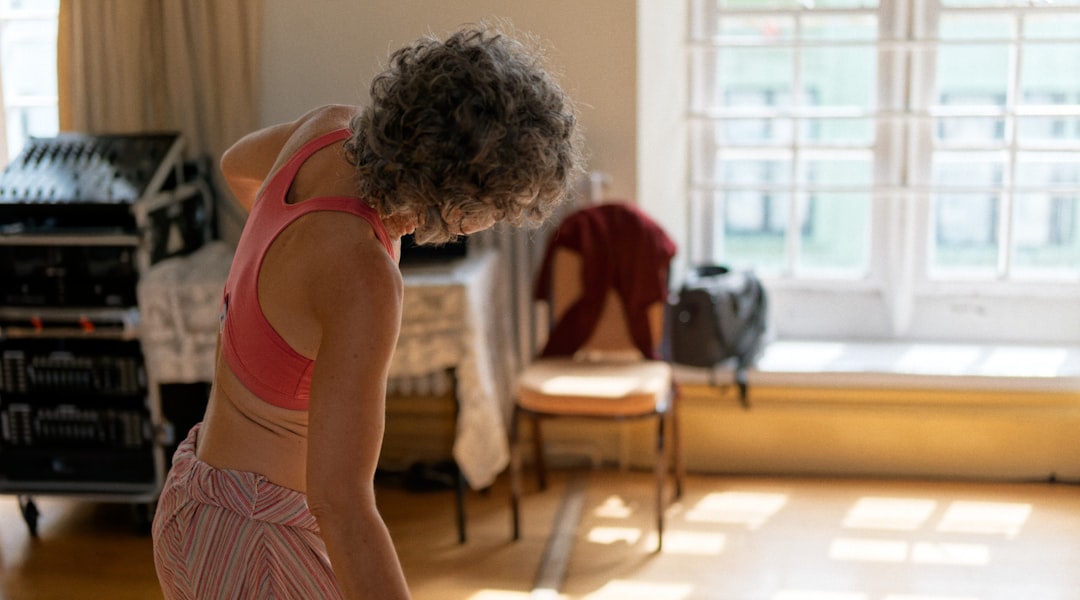
Warm up before activity, and stretch after. A few minutes of gentle movement before exercise, and stretching afterward, keeps joints noticeably more comfortable through the rest of the day.
Don’t just push through swelling or heat. Ordinary stiffness responds to movement; a joint that’s swollen, hot, or painful on one side only is a different situation and worth a GP visit.
Mrs Cure Confidence Score
Evidence strength — Good
Practical value — High
Ease of following — Moderate
Cost — Low
Suitability for over 50s — Strong
Mrs Cure’s Wise Take
Aching joints can make rest feel like the kind thing to do. Often it’s the opposite. Gentle, steady movement is usually the better friend to a stiff knee than the sofa is.
What You Can Do Today
- Take a 15-minute walk, even if it’s slow.
- Add one oily fish meal this week, salmon, mackerel or sardines.
- Try two minutes of gentle stretching before bed.
Effort vs Benefit
Low effort, high benefit: daily walking, warming up before activity.
Moderate effort, high benefit: two strength sessions a week, shifting toward Mediterranean-style eating.
Requires real commitment: meaningful weight loss where it’s relevant.
Things to Keep in Mind
Swelling, heat, redness, or pain confined to one side isn’t typical wear and tear, and is worth raising with a GP rather than working around. This content is general guidance, not a diagnosis. If it’s your lower back or a shooting leg pain that’s bothering you instead, our guide on sciatica and lower back pain covers what helps and when to see a doctor.
Key Takeaway
Joint aches after 50 usually respond better to steady, gentle movement and targeted strength work than to rest. Small, consistent habits around activity, weight and diet add up more than any single fix.
Mrs Cure Wisdom
A joint that’s used well tends to serve you better than one that’s protected into stiffness.
This content is educational and not a substitute for personalised medical advice, diagnosis or treatment.