Bone doesn’t announce itself the way a sore knee does. You can’t feel density changing, which is exactly why it’s worth paying attention to before it makes itself known the hard way.
Opening Summary
Bone is living tissue that responds to how you use it. After 50, and especially after menopause, bone breaks down faster than it rebuilds unless you actively work against that. Weight-bearing exercise, adequate calcium and vitamin D, and enough protein are the habits with the strongest evidence behind them.
The Story
Bone density naturally peaks in your thirties, then gradually declines. Women lose bone especially quickly in the years around menopause as oestrogen, which helps protect bone, drops. Men lose it more gradually. Left unaddressed over decades, this can lead to osteoporosis, bones fragile enough to fracture from a minor fall. None of that is a foregone conclusion.
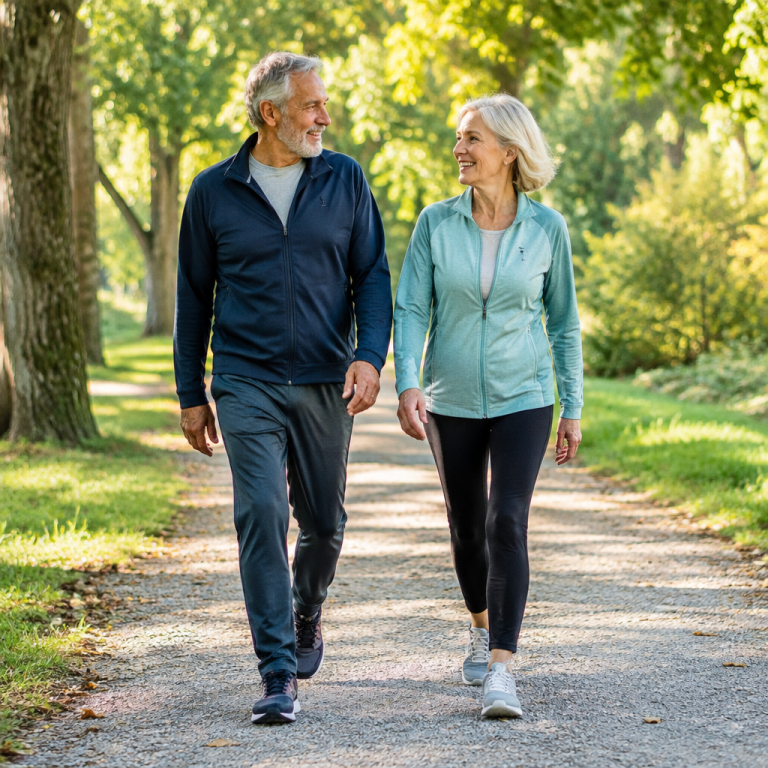
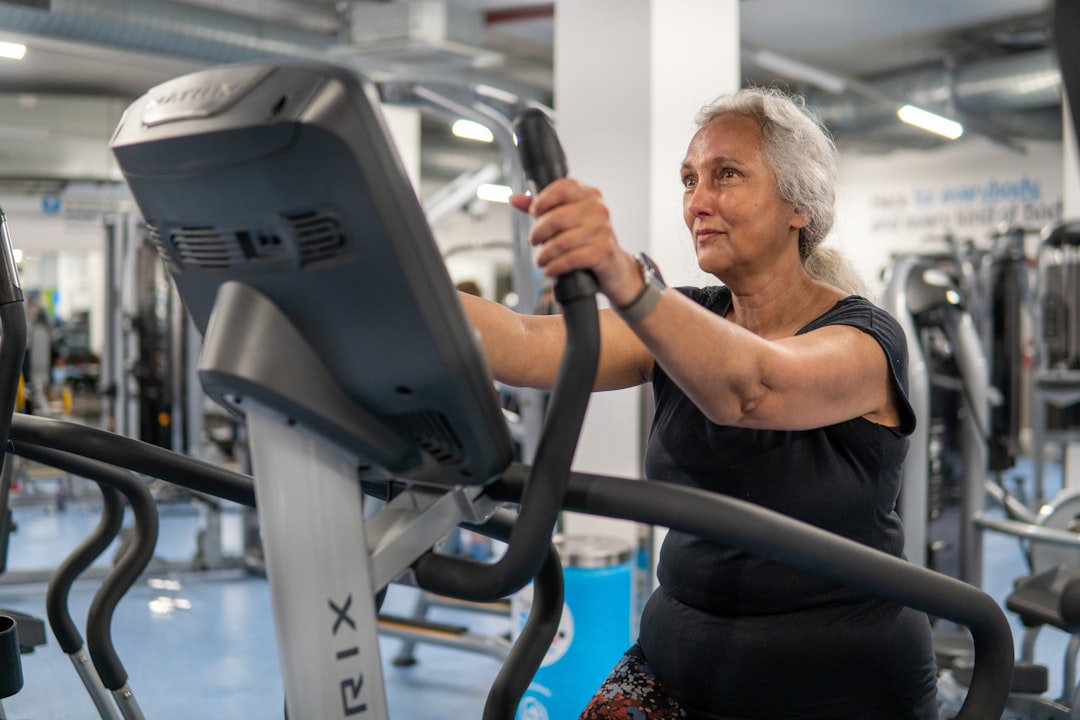
Load your bones, don’t just move them. Weight-bearing exercise, walking briskly, dancing, stair climbing, and resistance training signal bone to rebuild. Swimming and cycling are excellent for the heart but don’t carry the same bone-loading benefit.
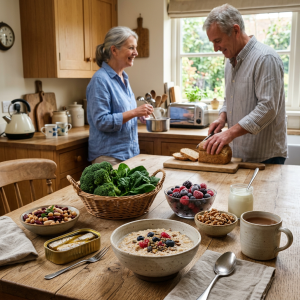
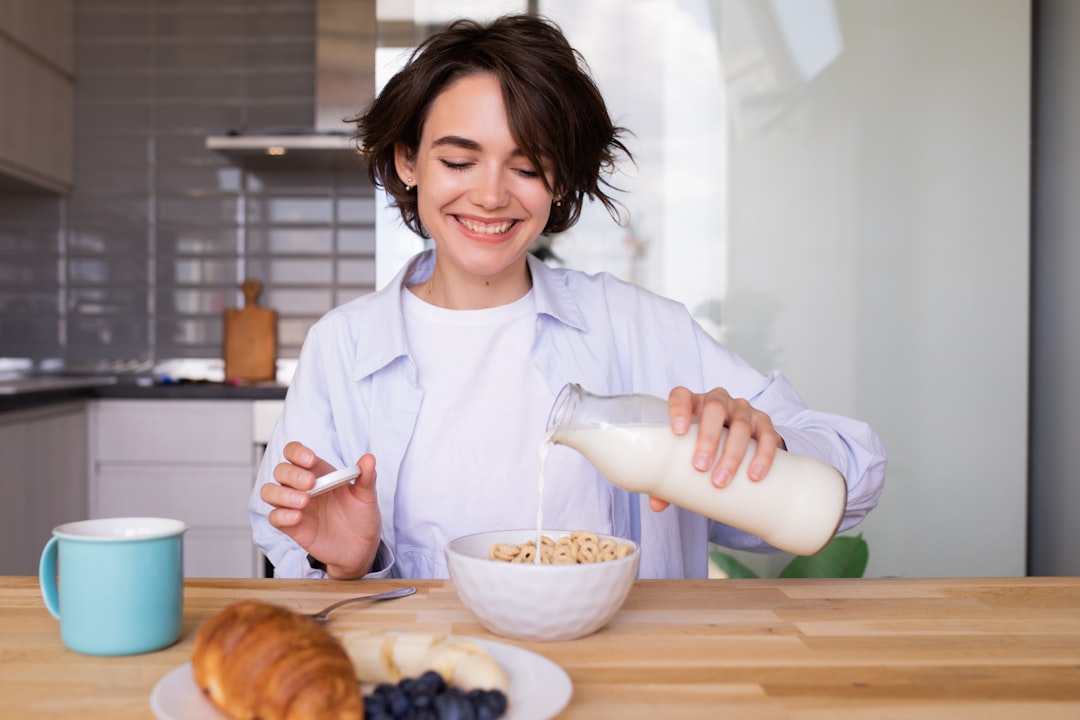
Get enough calcium through food first. Around 700mg a day is the general adult target in the UK, roughly a serving of dairy, fortified plant milk, tinned fish with bones, or leafy greens across the day. Supplements can help fill genuine gaps but food is absorbed more reliably.
Don’t skip vitamin D. Vitamin D helps your body actually use the calcium you eat. UK guidance recommends a 10 microgram daily supplement for adults, particularly through autumn and winter when sunlight is scarce.
Protein matters here too. Bone is partly made of protein, and adequate intake alongside resistance training supports both bone and the muscle that protects it from falls.
Two strength sessions a week, minimum. Resistance training, using weights, bands or your own bodyweight, is one of the few things proven to slow bone loss at any age.
Know your risk factors. Family history, early menopause, long-term steroid use, smoking and heavy drinking all raise risk. If several apply to you, a bone density scan (DEXA) is worth asking your GP about.
Mrs Cure Confidence Score
Evidence strength — Strong
Practical value — High
Ease of following — Moderate
Cost — Low to moderate
Suitability for over 50s — Strong
Mrs Cure’s Wise Take
You can’t see bone density, so it’s easy to postpone thinking about it. Treat it the way you would a pension: worth attention now, precisely because the payoff shows up later.
What You Can Do Today
- Add a brisk 10-minute walk to your day.
- Check whether you’re taking a vitamin D supplement, especially if it’s autumn or winter.
- Do one set of bodyweight squats or wall push-ups.
Effort vs Benefit
Low effort, high benefit: a daily vitamin D supplement, walking briskly rather than strolling.
Moderate effort, high benefit: two structured strength sessions a week.
Requires real commitment: sustaining resistance training for years, since bone changes slowly.
Things to Keep in Mind
If you have several risk factors, or a family history of osteoporosis or fractures, ask your GP about a bone density scan rather than guessing. This is general guidance, not a substitute for medical advice. Joint discomfort is a common companion to bone and muscle changes after 50 too; if that sounds familiar, our guide on why your joints ache more after 50 covers what actually helps.
Key Takeaway
Bone loss after 50 is common but not unstoppable. Weight-bearing movement, resistance training, and getting enough calcium, vitamin D and protein are the habits most likely to protect the bone you have.
Mrs Cure Wisdom
Strength you can’t see is still strength. It’s worth building all the same.
This content is educational and not a substitute for personalised medical advice, diagnosis or treatment.