Gut health has become one of those phrases that gets attached to everything from expensive powders to entire diet philosophies. Underneath the noise, the actual science is a good deal simpler.
Opening Summary
The gut microbiome, the trillions of bacteria living in your digestive tract, genuinely does influence digestion, immunity and even mood. It also naturally shifts with age, generally becoming less diverse. The well-supported ways to take care of it it are ordinary: more fibre, more variety in plant foods, and less reliance on ultra-processed food, not a specific supplement or superfood.
The Story
Diversity of gut bacteria tends to decline with age. This is linked with more digestive discomfort and, in some research, weaker immune response, though individual variation is large.
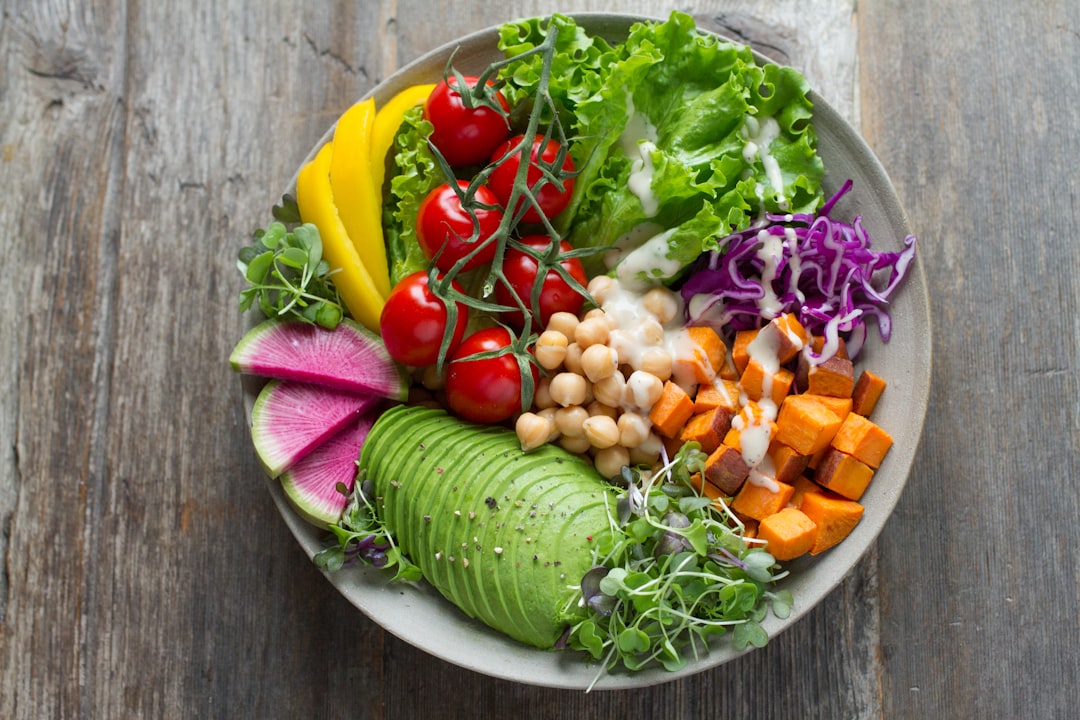
Fibre is the single most consistent lever. Most adults over 50 fall short of recommended fibre intake. Vegetables, fruit, whole grains and legumes feed beneficial bacteria in a way that isolated fibre supplements only partly replicate.
Variety matters as much as quantity. Eating the same handful of plant foods repeatedly feeds a narrower range of bacteria than rotating through a wider variety, aim for different colours and types across the week rather than one “superfood” on repeat.
Fermented foods have reasonable evidence behind them. Yoghurt with live cultures, kefir, sauerkraut and kimchi are linked with modest improvements in gut diversity, and they’re a lower-cost, food-based alternative to probiotic supplements.
Ultra-processed food and excess sugar work against gut diversity. This doesn’t mean cutting out every treat, it means the everyday baseline matters more than any single meal.
Mrs Cure Confidence Score
Evidence strength — Good for fibre & diversity
Practical value — High
Ease of following — Easy, small everyday swaps
Cost — Affordable
Suitability for over 50s — Strong
Mrs Cure’s Wise Take
Gut health marketing loves a single dramatic fix. The actual evidence points somewhere far less exciting, and far more affordable: eat a wider variety of plants, more often.
What You Can Do Today
- Add one extra vegetable or legume to a meal you’re already making today.
- Try a fermented food you don’t currently eat, plain yoghurt, kefir or sauerkraut are easy starting points.
- Aim for a wider variety of plant foods across the week rather than the same few on repeat.
- Cut back gradually on ultra-processed snacks rather than eliminating them overnight.
Effort vs Benefit
Low effort, high benefit: adding fibre-rich foods you already like.
Moderate effort, high benefit: introducing fermented foods regularly.
Requires real commitment: sustained dietary variety over months, since gut changes build gradually.
Things to Keep in Mind
Persistent digestive symptoms, unexplained weight loss, or blood in stool are not something to address through diet alone, they warrant a conversation with your doctor. Gut-health eating habits are a supportive foundation, not a substitute for investigating symptoms that don’t resolve.

Key Takeaway
There’s no single miracle gut food. Fibre, variety and a lighter hand with ultra-processed food do more, consistently, than anything sold in a jar with a bold health claim on the label.
Mrs Cure Wisdom
Your gut doesn’t need a dramatic overhaul. It responds, slowly and reliably, to just eating like it matters.
This content is educational and not a substitute for personalised medical advice, diagnosis or treatment.