Prefer to watch? Here’s the 68-second version.
Opening Summary
Headaches don’t stay the same shape forever. Many people who’ve had migraines since their twenties find them easing off after 50, especially women past menopause once hormone swings settle down. At the same time, headaches that start fresh in this decade deserve a slightly different kind of attention than the ones you’ve always had. Most are still ordinary tension headaches — but it’s worth knowing which patterns are worth a proper check.
The Story
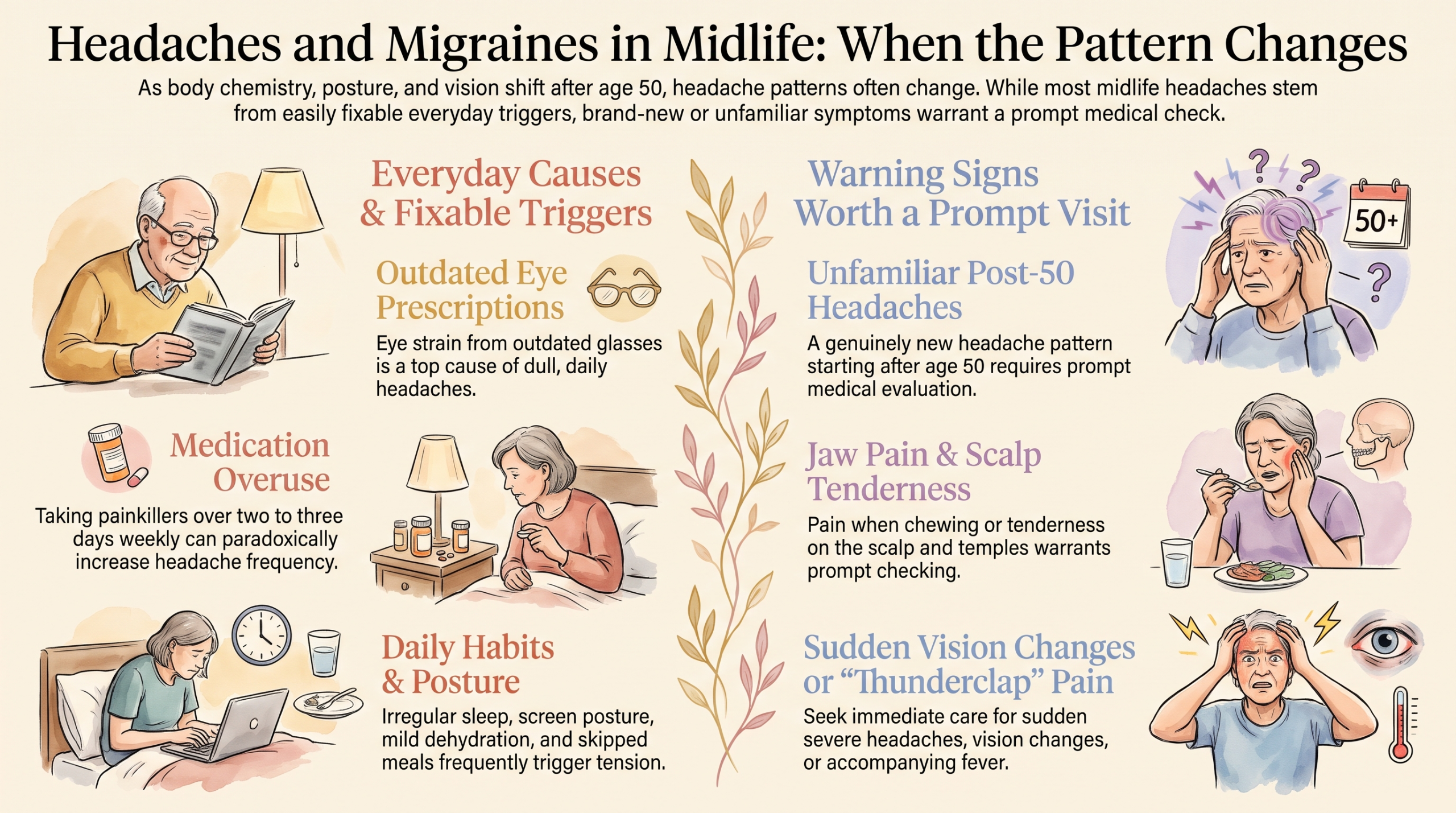
Headache patterns genuinely shift with age, for a few understandable reasons. Hormone-driven migraines in women often calm down after menopause, since the oestrogen swings that trigger them settle out. Meanwhile, tension-type headaches can become more common — often tied to changes in sleep, posture, or new reading glasses that aren’t quite right. Neck stiffness and jaw tension (sometimes from teeth grinding) are frequent, overlooked contributors too.
A few practical things make the biggest difference:
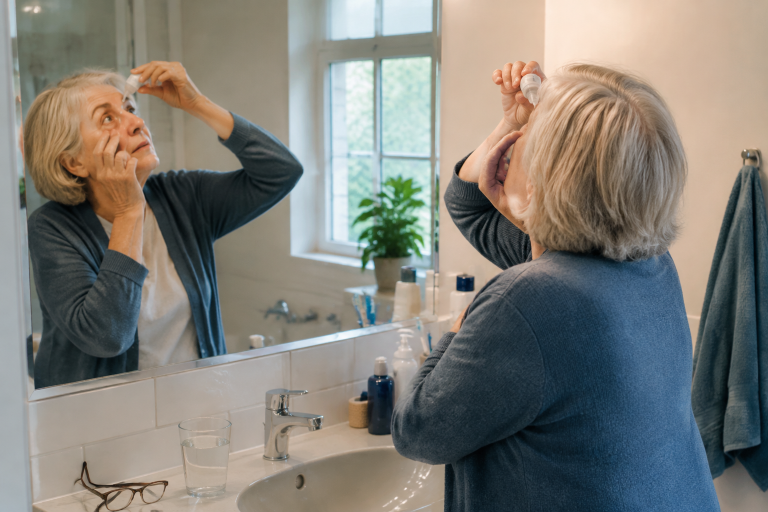
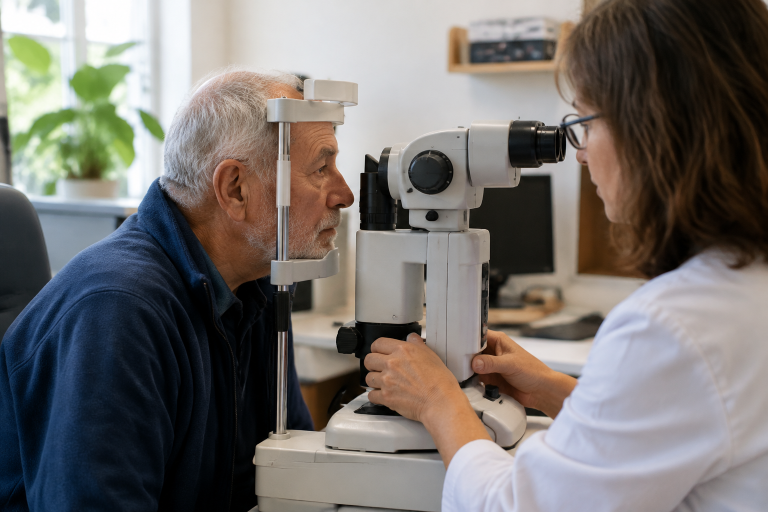
- Check your glasses prescription. Eye strain from an out-of-date prescription is one of the most common, most fixable causes of a new, dull, daily headache in this age group.
- Look at your medication cabinet. Overusing painkillers — even common ones like paracetamol or ibuprofen — for headaches more than two or three days a week can cause “medication overuse headache,” which paradoxically makes headaches worse and more frequent.
- Protect your sleep. Both too little sleep and sleeping in on weekends can trigger headaches; a consistent wake-up time matters more than total hours.
- Stay ahead of dehydration and skipped meals. Low blood sugar and mild dehydration are underrated, everyday headache triggers that are easy to fix.
- Mind your neck and screen posture. Hours looking down at a phone or screen create tension that radiates up into a headache; a few neck stretches through the day help more than most people expect.
One thing worth knowing without being alarmed by it: a headache that’s genuinely new after 50 — one you’ve never had before, especially with jaw pain when chewing, scalp tenderness, or vision changes — is one of the few headache patterns doctors always want to see promptly, simply because it needs to be told apart from the ordinary kind. It usually turns out to be nothing serious, but it’s the one pattern worth not waiting out.

Mrs Cure Confidence Score
Evidence strength — Good
Practical value — High
Ease of following — Easy
Cost — Free
Suitability for over 50s — Strong
Mrs Cure’s Wise Take
A changing headache pattern can feel unsettling, as if your body is suddenly behaving unpredictably. More often than not, it’s simply recalibrating — hormones settling, habits catching up with you, a prescription that needs updating. Pay attention to the pattern, not just the pain, and you’ll usually find the answer.
What You Can Do Today
- Keep a simple headache diary for two weeks. Note the time, what you’d eaten, how you’d slept, and screen time — patterns usually reveal themselves fast.
- Book an eye test if it’s been over a year. It’s one of the cheapest, most overlooked fixes for a new, dull headache.
- Count how many days a week you reach for painkillers. More than two or three most weeks is worth mentioning to your GP or pharmacist.
Effort vs Benefit
Very low effort, often high payoff. An eye test, a hydration habit, and a consistent sleep schedule cost little and nothing to try, and they resolve a large share of everyday headaches within a few weeks. The main “cost” is the discipline of cutting back on over-the-counter painkillers if you’ve slipped into using them most days — which can feel counterintuitive, since the instinct is to take more, not less.
Things to Keep in Mind
See a doctor promptly for any headache that’s genuinely new after 50 and unlike anything you’ve had before, especially alongside jaw pain while chewing, tenderness on the scalp or temple, sudden vision changes, fever, or if it’s the “worst headache of your life” arriving suddenly. These are the patterns worth checking rather than riding out. For everyday tension headaches and migraines you already recognise, they’re worth monitoring for frequency but rarely need urgent attention.
Key Takeaway
Most headaches after 50 are the same ordinary kind as always, just reshaped by hormones, sleep, posture or eyesight — and most respond well to simple fixes. A headache that’s genuinely new and unfamiliar is the one pattern worth a prompt check, mainly for peace of mind.
Mrs Cure Wisdom
Your head is usually trying to tell you something simple — drink some water, book the eye test, go to bed on time. Listen to the easy answer before assuming the hard one.
Enjoyed this? Get The Good Years, free.
Our free monthly magazine, packed with the best of our articles, guides and quizzes for life after 50. No spam, unsubscribe any time.
This content is educational and not a substitute for personalised medical advice, diagnosis or treatment.