Diabetes headlines tend to arrive in one of two flavours: alarming, or vague. The actual picture is more specific than either, and considerably more useful.
Opening Summary
Type 2 diabetes risk does rise with age, largely because muscle mass declines and insulin sensitivity drops over time, but age alone is a small part of the picture. Carried weight around the waist, inactivity, sleep quality and family history matter more, and several of those are genuinely within your influence, without needing a dramatic lifestyle overhaul.
The Story
Muscle loss quietly raises risk. Muscle tissue is where a large share of blood sugar gets absorbed after eating. As muscle mass naturally declines with age, that capacity shrinks, which is part of why strength-preserving activity matters for more than just mobility.
Waist measurement predicts more than overall weight. Fat stored around the abdomen is more metabolically active and more strongly linked to insulin resistance than fat elsewhere on the body, which is why waist circumference is often a more useful number than the bathroom scale.
Poor sleep measurably worsens blood sugar control. Even a few nights of short or disrupted sleep can reduce insulin sensitivity in otherwise healthy adults, an underrated piece of the puzzle.
Family history raises baseline risk, but doesn’t decide the outcome. Genetics load the dice, but lifestyle factors still meaningfully shift the odds, even for people with a strong family history.
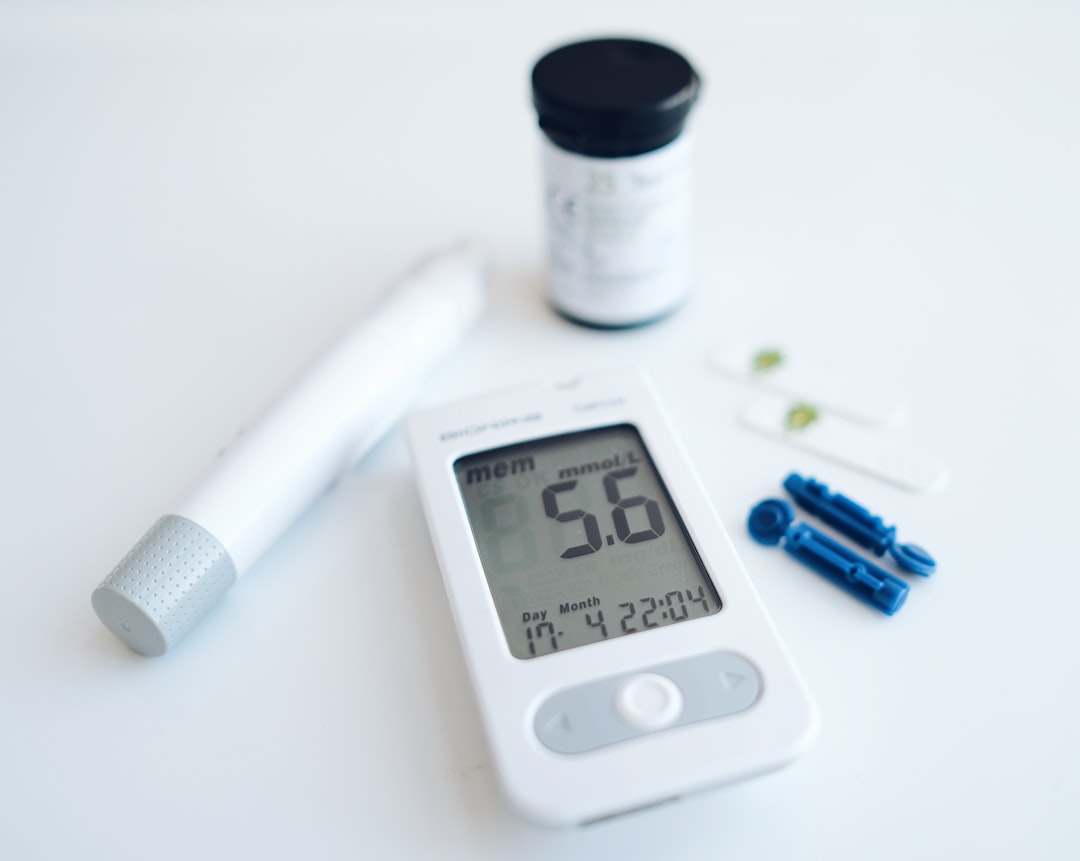
Prediabetes is common and frequently reversible. A significant share of adults over 50 have prediabetes without knowing it. Caught at this stage, it often responds well to modest, sustained changes rather than needing medication.
Mrs Cure Confidence Score
Evidence strength — Strong, extensively studied
Practical value — High
Ease of following — Moderate, sustained habit change
Cost — Free to £
Suitability for over 50s — Strong
Mrs Cure’s Wise Take
Age is the risk factor nobody can change, and the one most headlines lean on. The ones actually worth your attention are the ones you have some say over.
What You Can Do Today
- Ask your doctor about a routine blood sugar or HbA1c check if it’s been a while.
- Measure your waist rather than relying on weight alone.
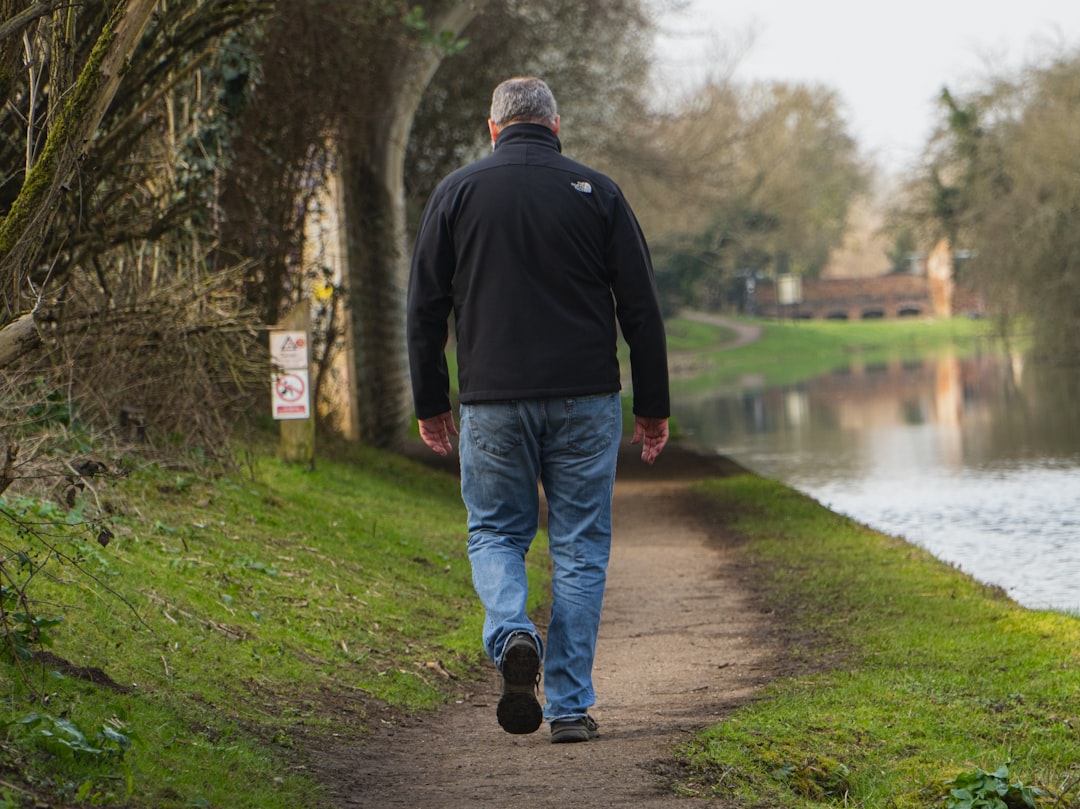
- Add a short walk after your largest meal of the day, this measurably blunts blood sugar spikes.
- Prioritise consistent sleep timing this week, not just total hours.
Effort vs Benefit
Low effort, high benefit: a post-meal walk and a blood test to know where you stand.
Moderate effort, high benefit: regular strength-preserving activity and improved sleep consistency.
Requires real commitment: sustained weight and waist-circumference changes over months.
Things to Keep in Mind
Unexplained weight loss, excessive thirst, frequent urination or persistent fatigue warrant a prompt conversation with your doctor rather than a wait-and-see approach. Diabetes and prediabetes are manageable, but they’re diagnoses to confirm properly, not guess at. Since heart health and blood sugar often move together, our guide on eating for your heart may be worth a look too.
Key Takeaway
Age raises the baseline, but waist size, muscle, sleep and activity do most of the actual work in either direction. That’s a more encouraging picture than “getting older” makes it sound.
Mrs Cure Wisdom
Risk isn’t the same as destiny. Most of what moves the needle here is still, quite genuinely, in your hands.
This content is educational and not a substitute for personalised medical advice, diagnosis or treatment.