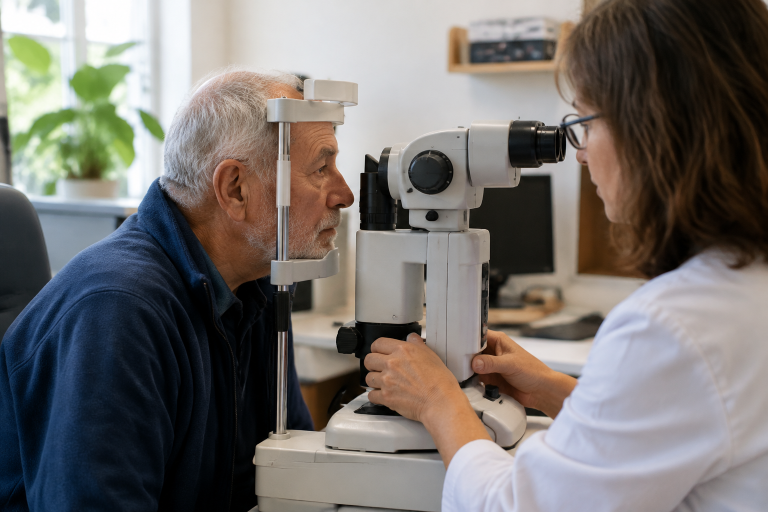
Nobody looks forward to a screening appointment, but the ones worth having after 50 tend to catch problems while they’re still easy to deal with, which is exactly the point.
Opening Summary
Certain vaccines and health screenings become more relevant after 50 because the risks they guard against, from shingles to bowel and breast cancer to cardiovascular disease, rise with age. None of this is about turning every year into a medical checklist. It’s about knowing which handful of appointments carry real, evidence-backed benefit, so they’re easy to say yes to when they come up, rather than something to vaguely mean to get round to.
The Story
The shingles vaccine becomes relevant from your fifties onward. Shingles risk rises with age, and the vaccine substantially lowers both the chance of getting it and the risk of the long-lasting nerve pain that can follow.
Flu and pneumonia vaccines matter more as immune response naturally weakens. Annual flu vaccination, along with pneumococcal vaccination as recommended by your doctor, meaningfully reduces the risk of serious complications at this age.
Bowel cancer screening is one of the higher-value checks available. Regular screening from the recommended starting age catches changes early, often before symptoms appear, when treatment tends to be most effective.
Blood pressure and cholesterol checks are quick and worth repeating. Both are linked with heart and brain health, and both can rise gradually without any noticeable symptoms, which is exactly why a periodic check matters more than how you feel day to day.
Women’s and men’s screening needs diverge somewhat after 50. Breast and cervical screening remain relevant for women per national guidelines, while men are often offered specific checks like abdominal aortic aneurysm screening; a GP can confirm exactly what applies to you.
A simple personal checklist beats trying to remember everything. Keeping a short written note of your last vaccine and screening dates makes it far easier to know what’s actually due.

Mrs Cure Confidence Score
Evidence strength — Strong
Practical value — High
Ease of following — Moderate
Cost — Often free via national health programmes
Suitability for over 50s — Strong
Mrs Cure’s Wise Take
Screenings have a way of feeling optional right up until the day they’re not. Booking the appointment is almost always the hardest part, everything after that tends to be quick and manageable.
What You Can Do Today
- Write down the last date you had a blood pressure check, flu jab and any cancer screening you’re eligible for.
- Book a GP appointment to ask which vaccines and screenings apply to you specifically.
- Set a yearly reminder for your flu vaccine so it isn’t left to chance.
Free Printable: Your Screenings & Vaccinations Tracker
A one-page sheet listing the vaccines and screenings worth knowing about, with space to note the date, result and when the next one is due.
Effort vs Benefit
Low effort, high benefit: annual flu vaccine and blood pressure checks.
Moderate effort, high benefit: keeping up with national bowel, breast or cervical screening invitations.
Requires real commitment: a proactive conversation with your GP about which additional checks suit your personal and family history.
Things to Keep in Mind
Recommended vaccines and screenings vary by country, sex and personal medical history, so this is a general starting point rather than a personal schedule. Any new or persistent symptom, unexplained bleeding, unexplained weight loss, or a lump or change you’re unsure about, is worth raising with a doctor promptly rather than waiting for your next scheduled screening.

Key Takeaway
A handful of vaccines and screenings account for most of the preventive benefit available after 50. Knowing which ones apply to you, and keeping a simple record, makes it far easier to stay on top of them.
Mrs Cure Wisdom
An appointment booked today is easier than a problem caught late. Prevention rarely feels urgent, which is exactly why it’s worth doing anyway.
This content is educational and not a substitute for personalised medical advice, diagnosis or treatment.