Turning the television up another notch, or asking people to repeat themselves at dinner, is easy to shrug off as nothing much. It’s worth a second look.
Opening Summary
Hearing loss after 50 is common and usually gradual, which is exactly why it’s so easy to normalise. Research increasingly links untreated hearing loss with faster cognitive decline and higher rates of social withdrawal, both of which are largely avoidable with early treatment. The fix is rarely dramatic, but leaving it unaddressed carries a real cost.
The Story
Hearing loss and cognitive decline share a documented link. Straining to hear takes up mental resources that would otherwise go toward memory and processing, and researchers believe this added strain, plus reduced social engagement, plays a role over time.
It tends to arrive gradually, not suddenly. High frequencies usually go first, which means consonants and speech clarity fade before people notice they can’t hear at all. That gradual slide is part of why it goes unaddressed for years on average.
Social withdrawal often follows quietly. Group conversations become tiring, so invitations get turned down more often, not from disinterest but from the sheer effort of following along.
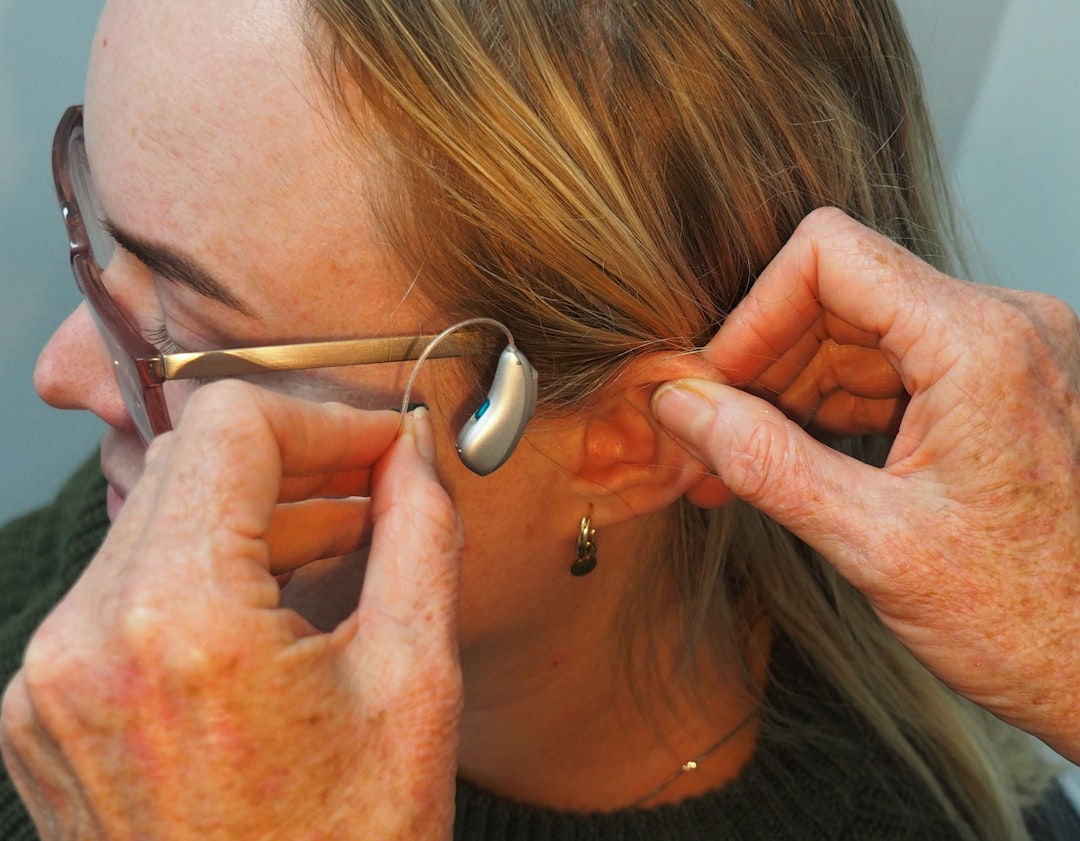
Modern hearing aids are far less obtrusive than the ones people remember. Many are barely visible, connect to phones directly, and adjust automatically to different environments.
Treating hearing loss is linked with better outcomes, not just louder sound. Studies following hearing aid users report better mood, more social participation, and in several large studies, a slower rate of cognitive decline compared with those who leave hearing loss untreated.
Mrs Cure Confidence Score
Evidence strength — Good
Practical value — High
Ease of following — Moderate
Cost — Varies by provider
Suitability for over 50s — Strong
Mrs Cure’s Wise Take
Nobody chooses to hear less. But plenty of people choose, without quite realising it, to leave it unaddressed for years longer than they need to.
What You Can Do Today
- Take an online hearing screening as a first, low-stakes step.
- Book a proper hearing test if you’ve been asking people to repeat themselves more often.
- Ask a partner or close friend if they’ve noticed changes, they often clock it before you do.
- If you already have hearing aids, get them checked, an outdated fitting is often as limiting as no aid at all.
Effort vs Benefit
Low effort, high benefit: an online screening or asking someone close to you honestly.
Moderate effort, high benefit: a professional hearing test and, if needed, a fitting.
Requires real commitment: adjusting to wearing hearing aids consistently in the first few months.
Things to Keep in Mind
Sudden hearing loss in one ear, especially with dizziness or ringing, is a medical situation worth same-week attention, not something to monitor casually. Gradual, two-sided change is the more common pattern and the one this article addresses. The same logic applies to eyesight: gradual changes are common and usually easy to fix, but it’s still worth knowing what’s normal and when to get your vision checked.

Key Takeaway
Hearing loss is common, but treating it isn’t just about volume, it’s linked with staying sharper and more connected for longer. The earlier it’s addressed, the more of that benefit tends to show up.
Mrs Cure Wisdom
Missing half a conversation rarely feels like a big loss in the moment. Added up over years, it’s a bigger one than most people expect.
This content is educational and not a substitute for personalised medical advice, diagnosis or treatment.