Blood pressure tends to get filed under ‘heart health’ and left there. But a growing body of research says your brain has just as much riding on it.
Opening Summary
Consistently high blood pressure damages small blood vessels throughout the body, including in the brain, and is one of the more modifiable risk factors for cognitive decline. The encouraging part: bringing blood pressure into a healthy range is one of the more researched ways to protect long-term brain health.
The Story
Your brain relies on a dense network of small blood vessels to stay supplied with oxygen and nutrients. Sustained high blood pressure damages those vessels over years, sometimes causing small, silent areas of injury that add up. Large studies following people over decades link mid-life high blood pressure with a meaningfully higher risk of cognitive decline and dementia later on, though the relationship in later life is more complex.
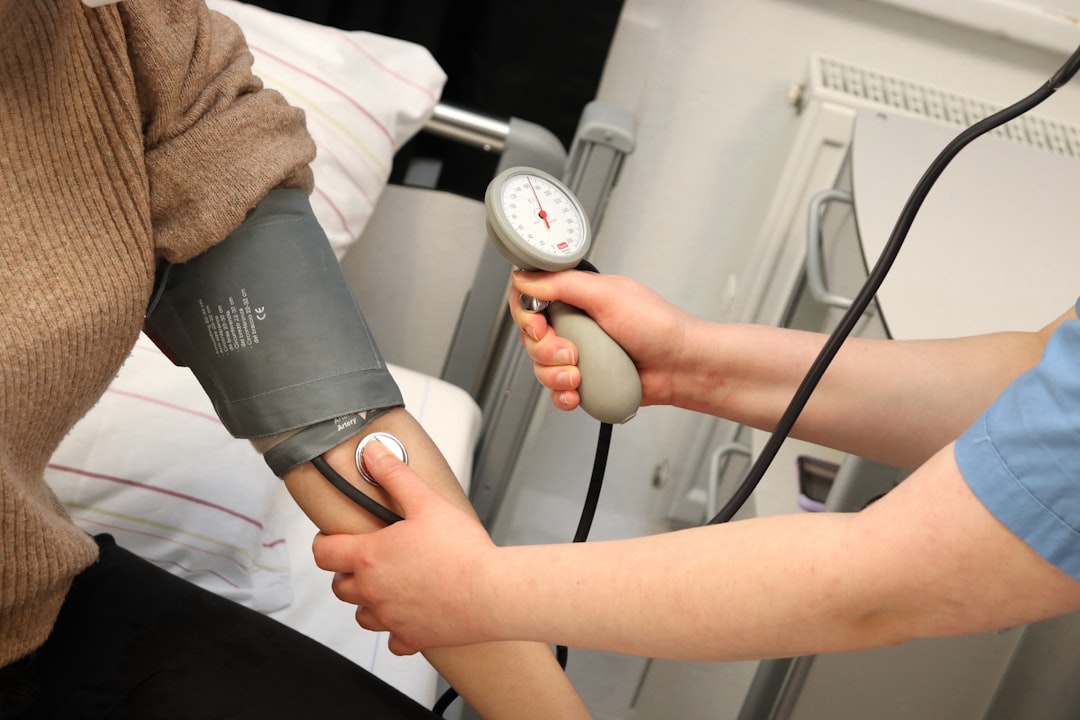
Know your numbers. In the UK, blood pressure is generally considered healthy under 120/80, and high from around 140/90. If you don’t know yours, a home monitor or a pharmacy check is a five-minute job.
Cut back on salt, genuinely. Most excess salt in the UK diet comes from processed and packaged food, not the salt cellar. Checking labels matters more than skipping the shaker at dinner.
Move regularly. Around 150 minutes a week of moderate activity, brisk walking counts, is consistently linked with lower blood pressure.
Limit alcohol. Drinking above recommended limits raises blood pressure directly, separate from any effect on weight.
Manage stress where you can. Chronic stress keeps blood pressure elevated more of the time; even short daily periods of deliberate calm, a walk, breathing exercises, help.
Take medication as prescribed, if it’s prescribed. If you’ve been given blood pressure medication, consistent use matters more than any lifestyle change alone.
Mrs Cure Confidence Score
Evidence strength — Strong
Practical value — High
Ease of following — Moderate
Cost — Low
Suitability for over 50s — Strong
Mrs Cure’s Wise Take
Blood pressure is one of the few things where a five-minute check genuinely tells you something useful. It’s worth knowing your numbers, not guessing them.
What You Can Do Today
- Get your blood pressure checked, at a pharmacy if it’s been a while.
- Check the salt content on one packaged food you eat regularly.
- Take a 20-minute brisk walk.
Effort vs Benefit
Low effort, high benefit: knowing your numbers, cutting packaged food salt.
Moderate effort, high benefit: regular walking, limiting alcohol.
Requires real commitment: sustained stress management, consistent medication use.
Things to Keep in Mind
Never stop or change prescribed blood pressure medication without speaking to your GP. This content is general guidance, not personalised medical advice. Hearing loss is another brain-health factor worth knowing about, since our piece on treating hearing loss early explains, it protects more than just your hearing.

Key Takeaway
Blood pressure isn’t only a heart health number. Keeping it in a healthy range is one of the more evidence-backed ways to protect your brain over the coming decades.
Mrs Cure Wisdom
Looking after your heart and looking after your mind turn out to be the same habit, more often than not.
This content is educational and not a substitute for personalised medical advice, diagnosis or treatment.