Falls have a reputation for happening to ‘other people’. In reality, most happen at home, in ordinary rooms, doing ordinary things. A little attention to the layout of your own space goes further than most people expect.
Opening Summary
Falls are the leading cause of injury in adults over 65, and most trace back to a handful of fixable hazards: loose rugs, poor lighting, awkward reaching, and slippery bathroom floors. This checklist, adapted from the guidance public health bodies give patients, walks through the home room by room.
The Story
Balance naturally becomes less automatic with age, as vision, inner-ear function and muscle strength all shift slightly. That means the margin for error at home, a bunched-up rug, a dim hallway, shrinks. None of this requires turning your home into a hospital. Small, targeted changes cover most of the risk.
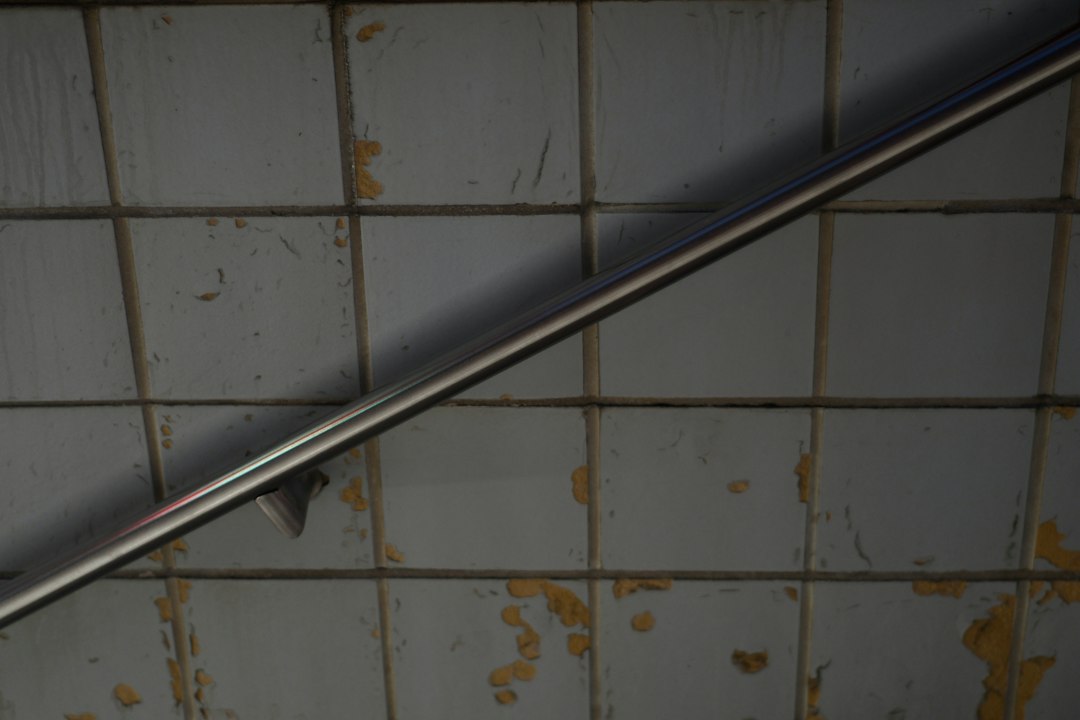
Hallways and stairs. Keep them clear of clutter, cords and shoes. Add a nightlight if you ever get up in the dark. Make sure handrails are secure on both sides where possible.
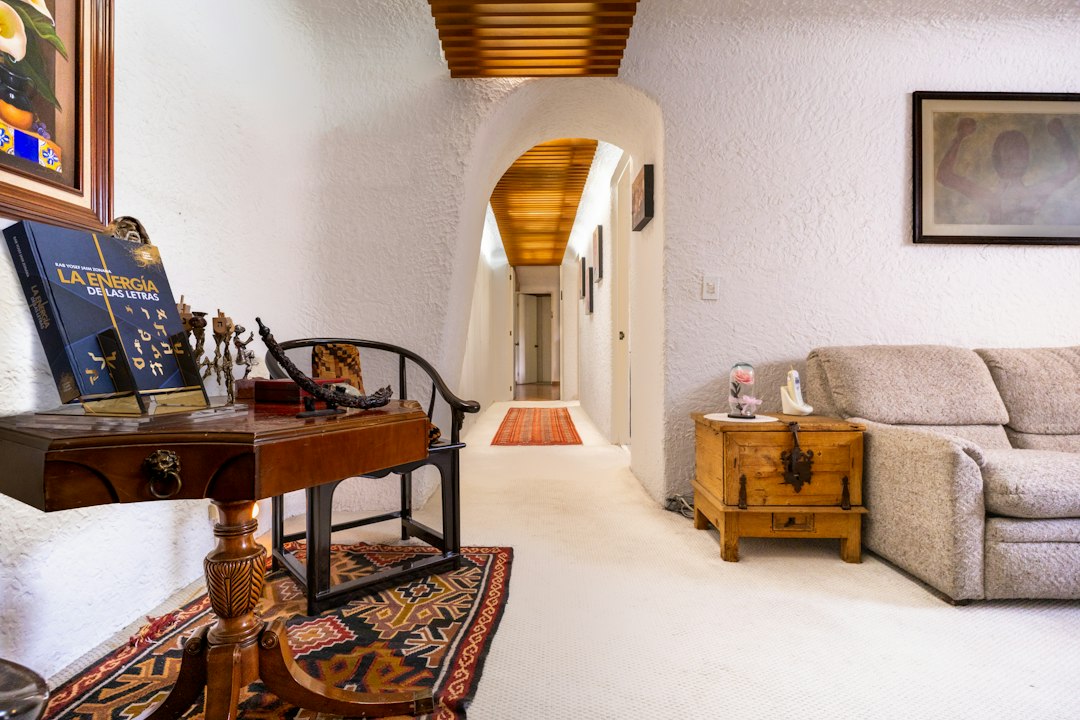
Rugs and flooring. Secure rugs with non-slip backing or remove ones that curl at the edges. Repair any loose carpet or uneven thresholds between rooms.
Bathroom. This is where a disproportionate number of falls happen. A non-slip mat in the shower or bath, a grab rail near the toilet and shower, and good lighting make a real difference.
Kitchen. Keep frequently used items within easy reach, between waist and shoulder height, so you’re not stretching up or bending down onto a step stool.
Bedroom. A clear path from bed to bathroom, a lamp within reach of the bed, and shoes with good grip rather than loose slippers.
Lighting throughout. Brighter bulbs and switches at both ends of stairs and hallways cost little and reduce risk meaningfully.
Footwear. Supportive shoes with a good grip, even indoors, outperform socks or backless slippers for stability.
Mrs Cure Confidence Score
Evidence strength — Strong
Practical value — High
Ease of following — Easy
Cost — Low
Suitability for over 50s — Strong
Mrs Cure’s Wise Take
None of this is about admitting frailty. It’s the same instinct as wearing a seatbelt: sensible, not defeatist.
What You Can Do Today
- Walk through your hallway and remove anything on the floor that doesn’t need to be there.
- Check that your brightest bulb is in the stairwell, not the living room.
- Try on your indoor footwear and ask honestly whether it grips.
Effort vs Benefit
Low effort, high benefit: clearing hallway clutter, better footwear, brighter bulbs.
Moderate effort, high benefit: securing rugs, adding a nightlight.
Requires real commitment: fitting grab rails, which may need a professional.
Things to Keep in Mind
If you’ve had a fall recently, or feel unsteady regularly, it’s worth asking your GP for a balance assessment rather than relying on home changes alone. A simple way to gauge your own strength and balance at home is what getting up from a chair can tell you about your health.
Key Takeaway
Most home falls trace back to a short list of fixable hazards. A room-by-room pass, done once and revisited occasionally, covers most of the risk.
Mrs Cure Wisdom
A safer home isn’t a smaller life. It’s the thing that lets you keep living in it, comfortably, on your own terms.
This content is educational and not a substitute for personalised medical advice, diagnosis or treatment.