Retirement gets sold as the reward at the end. Less often discussed: the strange quiet that can follow, once the thing you spent decades working toward has actually arrived.
Opening Summary
Retirement removes structure, identity and daily social contact all at once, which is why many people find the adjustment harder than expected, even when they were counting down to it. Research on wellbeing after retirement points less toward rest and more toward replacing what work quietly provided: purpose, routine and connection.
The Story
Studies following people through the retirement transition find a real dip in wellbeing is common in the first year or two, often surprising people who expected only relief. Work, whatever its frustrations, tends to supply a daily structure, a sense of contribution and built-in social contact. Retirement doesn’t automatically replace those, it just removes the thing that was providing them.
Replace structure deliberately, don’t wait for it to reappear. A loose daily or weekly rhythm, even self-imposed, tends to support wellbeing far more than fully unstructured time.
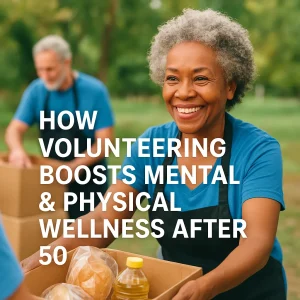
Find a source of contribution. Volunteering, mentoring, or a small paid or unpaid role that uses skills you value are consistently linked with higher life satisfaction after retirement.
Protect your social contacts on purpose. Workplace relationships often fade without the workplace. Regular contact, a standing coffee, a class, a group, needs deliberate effort to replace them.
Give yourself permission to grieve the identity, even briefly. If a job was part of how you saw yourself, some sense of loss alongside the freedom is normal, not a sign anything’s wrong.
Try things before committing. Purpose after retirement is often found through experimenting, a course, a volunteer role, a hobby taken further, rather than arriving through planning alone.
Watch for retirement anxiety before you retire, not just after. Thinking through structure and purpose before the last working day tends to ease the transition considerably.

Mrs Cure Confidence Score
Evidence strength — Good
Practical value — High
Ease of following — Moderate
Cost — Low
Suitability for over 50s — Strong
Mrs Cure’s Wise Take
Nobody warns you that the finish line is also a starting line. Treating retirement as a new chapter to build, rather than an ending to enjoy, tends to serve people better.
What You Can Do Today
- Write down three things that gave you a sense of purpose at work, beyond the pay.
- Reach out to one former colleague or friend to make a plan.
- Look into one local volunteering or class opportunity, just to see what’s there.
Effort vs Benefit
Low effort, high benefit: a loose daily structure, reaching out to a friend.
Moderate effort, high benefit: trying a new volunteering role or class.
Requires real commitment: processing identity loss, building a genuinely new routine.
Things to Keep in Mind
If low mood or anxiety around retirement feels persistent rather than a passing adjustment, it’s worth speaking to your GP. This is general guidance, not a substitute for support with a difficult transition.

Key Takeaway
Retirement often removes structure, purpose and connection all at once. Deliberately rebuilding those, rather than waiting for them to reappear, is what the evidence says actually helps.
Mrs Cure Wisdom
Retirement isn’t the absence of a working life. It’s an invitation to build a different one, on your own terms.
This content is educational and not a substitute for personalised medical advice, diagnosis or treatment.