
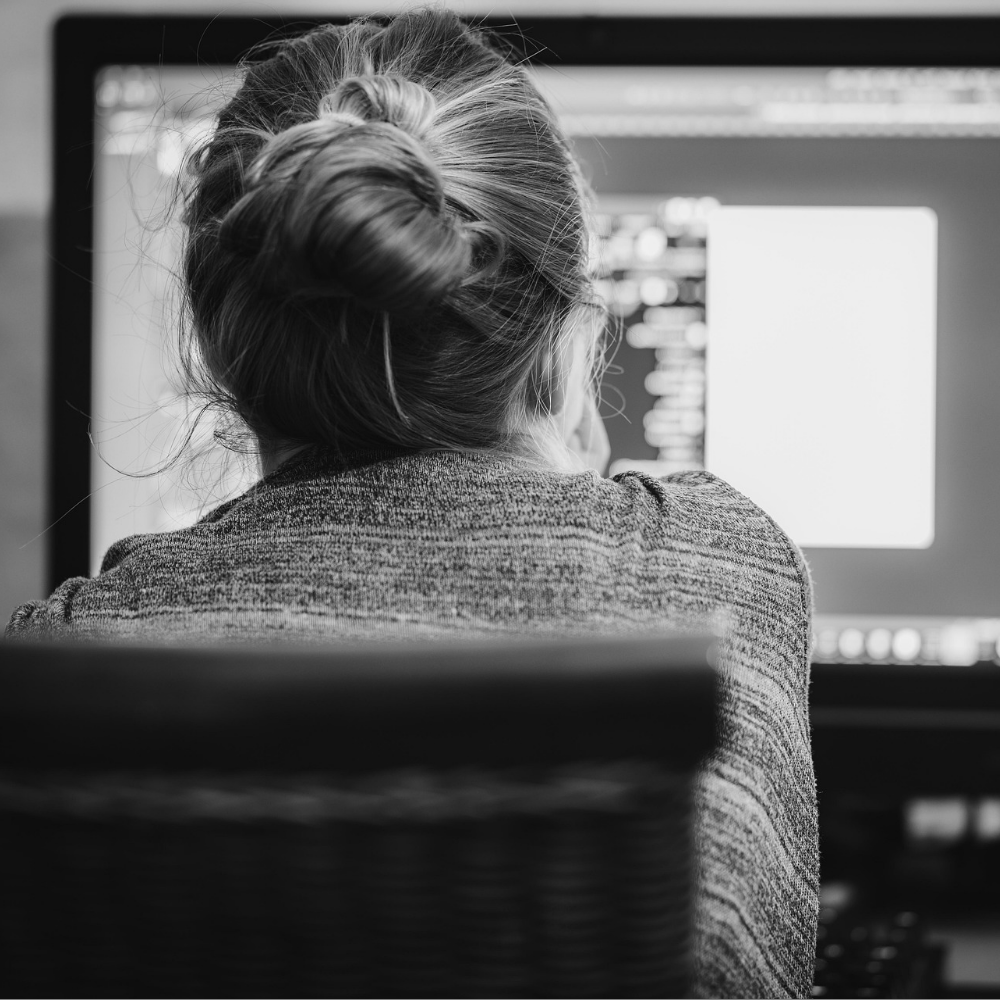
How to Stop Screen Apnea and Breathe Better After 50
Hello dear readers. I’m Mrs Cure, and today we’re diving into something many of us have never even heard of — screen apnea. It sounds rather dramatic, doesn’t it? But it’s simply what happens when we unconsciously hold our breath or breathe shallowly while staring at our screens. I know from personal experience how easy it is to get caught up reading, scrolling, or sending one more email until we suddenly realise we haven’t taken a proper breath in ages. For those of us over 50, this habit quietly chips away at our energy, focus, and sense of calm — but it doesn’t have to stay that way.
Why Screen Apnea Matters More as We Grow Older
For younger people, the body often bounces back quickly from long desk sessions and heavy screen time. As we get older, though, shallow breathing can tax our bodies more significantly. Our muscles, including the diaphragm, benefit from consistent oxygen flow, and our circulation depends on rhythmic, full breaths. When we breathe too shallowly — as we often do when concentrating on a screen — our body’s natural rhythms slow, leaving us tired and foggy.
Screen apnea can also magnify the stress response. That flutter of tension in your shoulders or the tightness in your chest isn’t only emotional — it’s often linked to breathing that’s too shallow. For older adults, this can compound other concerns like poor posture or reduced mobility, creating a loop of fatigue and tension. Imagine your body whispering “breathe” all day, but we’re too wrapped up in our screens to listen!
What’s more, research shows that slower breathing patterns can subtly affect our nervous system balance. Over time, that can dull alertness and even affect sleep quality. So, while it might sound harmless, screen apnea quietly erodes the vitality we work hard to maintain later in life. Recognising it is the first step toward breathing — and living — more freely again.
Simple Daily Habits to Help You Breathe Freely Again
You don’t need fancy tools or complicated routines to reset your breathing. One lovely trick is the “look away and exhale” method. Every 20 minutes, simply glance out the window, let your shoulders drop, and take a full, slow exhale followed by a natural inhale. These micro pauses help your nervous system reset, and after a week or two, you’ll notice how much calmer you feel when using your phone or computer.
Gentle movement also reminds the body to breathe naturally. Set a small reminder to stand, stretch, or roll your shoulders between tasks. If you’re on a long video call, try placing one hand on your abdomen and silently count the rise and fall once or twice. It sounds almost too simple, but awareness is the bridge back to better breathing.
Many of my wellness clients find journaling about daily screen time helps too. By noticing when you feel tense or distracted, you can catch moments when screen apnea creeps in. Remember, the goal isn’t perfection — it’s cultivating small, repeated choices that help you reconnect with your breath and body throughout the day.
Gentle Tools and Tips to Ease Tech Tension After 50
Technology itself isn’t the enemy — our relationship with it just needs nurturing. Start by adjusting your screen height so your eyes meet the centre of the screen comfortably. This small shift can prevent neck compression and encourage deeper breathing. You may also explore blue-light filters and “focus” settings that reduce digital strain and remind you to blink and breathe.
For those who enjoy a touch of comfort and ritual, consider diffusing calming essential oils such as lavender or bergamot near your workspace. Soft background music, a warm drink, or a short breathing timer on your smartwatch can all serve as kind reminders to stay connected to your body. The idea is to make the act of pausing feel pleasant, not like another task.
And as someone who shares gentle wellbeing tools for people over 50, I truly believe that small shifts lead to big rewards. An ergonomic cushion, a therapeutic breathing guide, or even a gentle reminder from a loved one can help you find a natural flow to your day again. The goal is to harmonise your digital world with the rhythm of real life — steady, full of oxygen, and wonderfully human.
As we grow older, staying mindful of how we breathe is one of the most loving gifts we can give ourselves. Screen apnea might sound like a modern nuisance, but with a bit of awareness and simple daily habits, it’s entirely possible to reclaim the steady, nourishing rhythm of natural breathing. Our devices can connect us to the world — but our breath connects us to life itself.
So next time you find yourself staring at a screen, pause, exhale, and soften those shoulders. You deserve that deep, calm breath — right now.
Inspired by insights from The Flow Space article on Screen Apnea.




Add a review
Your email address will not be published. Required fields are marked *